
If you’ve ever tried to make sense of work-study, you’re not alone. Between eligibility rules, financial aid forms, and job options both on and off campus, it can feel confusing and a little overwhelming. So, let’s break down what work-study actually is, and how it can help you earn money while gaining real work experience in college.
Work-Study vs. Other Student Employment
Work-study is a federally funded program awarded through financial aid, meaning only students who qualify based on financial need can apply to those specific jobs. The funds are set aside for each student, and earnings typically have less impact on future financial aid. Other student employment, on the other hand, is open to any student regardless of financial aid status, and employers pay the full wages directly without federal support. So, while both types may seem similar, the main difference is where the funds are coming from.
How Do You Know if You’re Eligible?
You can tell if you’re eligible for work-study by reviewing your financial aid offer after submitting the FAFSA. If you qualify based on financial need, you may see “Federal Work-Study” listed as part of your aid package with a specific award amount. Because funding is limited and not guaranteed every year, it’s important to complete the FAFSA as early as possible each year and keep an eye on your aid notifications or contact your financial aid office with questions.
How to Find and Apply for Work-Study Jobs
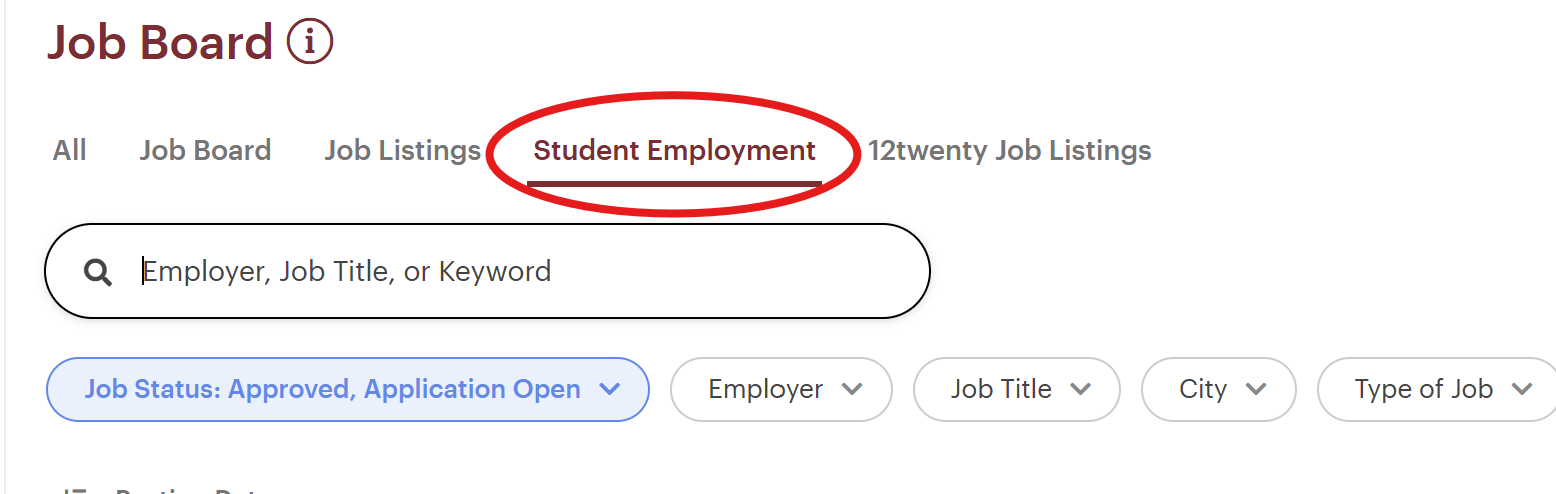
To find and apply for work-study jobs, log in to PCO, the university’s job portal for student employment. Once you’re signed in, you can filter positions to show only work-study openings, read job descriptions, and submit applications directly through the platform. Be sure to check often and apply early, as work-study roles can fill quickly!
International Students
International students are not eligible for federal work-study, but they can apply for regular on-campus student employment. Most international students are limited to working up to 20 hours per week while classes are in session, and full-time only during official breaks. Before starting a job, students must have proper work authorization and complete all required hiring documents, such as obtaining a Social Security number if they do not already have one.
For more information, visit the International Student Employment page.
Benefits of Work-Study
Work-study offers more than just a paycheck. These jobs are designed to be flexible around your class schedule, making it easier to balance work and academics. Many positions help you build career-ready skills, explore interests, and connect with mentors across campus or in the community, allowing you to support your education while still staying focused on your goals. To learn more about how the skills you obtain from your work-study job are transferable into your career, consider joining the Student Employees Achieve (SEA) Badge program!
Tips for Success in a Work-Study Job
Communicate regularly with your supervisor about your schedule, especially during busy academic weeks. Stay organized by tracking your hours and responsibilities so you can manage work alongside classes. Be punctual, professional, and willing to learn, as these roles are great opportunities to build skills that translate to future jobs. Don’t be afraid to ask questions or seek feedback; supervisors are there to support your growth.
Resources & Support
International Student Employment
Student Employees Achieve (SEA) Badge
For questions on work-study, contact workstudy@du.edu

